
Safeguarding & Commitment to Safety
A public summary of the Orbit Ecosystem Safeguarding and Ethical Standards Policy, Version 2.0
Our commitment
Everyone who interacts with Orbit Innovation Hub programmes, spaces, services, or activities has the right to safety, dignity, respect, and fair treatment. Orbit Ecosystem maintains zero tolerance for abuse, exploitation, harassment, discrimination, corruption, retaliation, and other unethical conduct.
Safeguarding is a shared responsibility. We work to prevent harm, respond appropriately when concerns arise, protect affected persons, and strengthen our systems through training, risk management, accountability, and continuous improvement.
SAFE
We prioritize safety, dignity, confidentiality, respect, and informed consent.
ACCESSIBLE
Concerns can be raised through multiple reporting channels, including phone, email, and anonymous reporting.
SAFE
We prioritize safety, dignity, confidentiality, respect, and informed consent.
Who and where this applies
The safeguarding standards apply across Orbit Ecosystem, including Orbit Innovation Hub, and to employees, management, consultants, advisors, interns, volunteers, trainers, contractors, partners, service providers, programme participants, community members, and others acting on behalf of or engaging with the organization.
They apply in offices and workspaces, recruitment and employment, field activities, training and outreach, digital communications, travel, meetings, external events, and interactions with clients, partners, beneficiaries, and the public.
Important: The full Safeguarding and Ethical Standards Policy, Version 2.0, governs any inconsistency and contains the complete governance, investigation, referral, and reporting procedures.
01
What safeguarding means
Safeguarding is the policies, procedures, systems, and practices Orbit Ecosystem uses to prevent and respond to harm, abuse, exploitation, harassment, neglect, and other misconduct affecting people connected to the organization.
Our core standards
| 1 | Person centered and survivor centered | Responses prioritize safety, dignity, rights, well-being, confidentiality, respect, informed consent, and participation. |
| 2 | Zero tolerance | Abuse, exploitation, harassment, violence, discrimination, and misconduct arising from misuse of power, authority, trust, or privilege are prohibited. |
| 3 | Protection of vulnerable groups | Special care is taken when working with children, women and girls, youth, persons with disabilities, economically vulnerable individuals, and others at increased risk. |
| 4 | Do no harm | Programmes, services, partnerships, and decisions must not unintentionally expose people to additional safeguarding risks. |
| 5 | Confidentiality and data protection | Safeguarding information is shared only on a need to know basis with authorized persons and is securely maintained. |
| 6 | Shared responsibility | Everyone covered by the standards must recognize and report concerns promptly and in good faith. |
Conduct we do not tolerate
- Physical, emotional, psychological, or sexual abuse; sexual exploitation and abuse; sexual harassment; and gender based violence.
- Child abuse or neglect; bullying, including cyberbullying; and discrimination.
- Retaliation against anyone who reports a concern in good faith.
- Abuse of authority, influence, organizational position, or privilege.
- Exploitation of beneficiaries, colleagues, vulnerable groups, programme participants, or community members.
- Exchange of money, employment opportunities, services, gifts, or organizational benefits for sexual favors or inappropriate personal relationships.
- Knowingly failing to report safeguarding concerns, concealing misconduct, obstructing investigations, or deliberately making false allegations.
Professional boundaries matter: No person may use unequal power, organizational access, employment status, or organizational resources to obtain personal benefits or influence inappropriate relationships.
02
Report a safeguarding concern
If something has happened to you, you are concerned about someone else, or you have a reasonable suspicion of a safeguarding concern, please report it. You do not need to be certain or have proof. Concerns can involve any person, regardless of position, authority, or relationship with Orbit Ecosystem.
CALL
+251 911 413 709
info@orbithealth.co
Official incident reporting line
Designated safeguarding reporting email
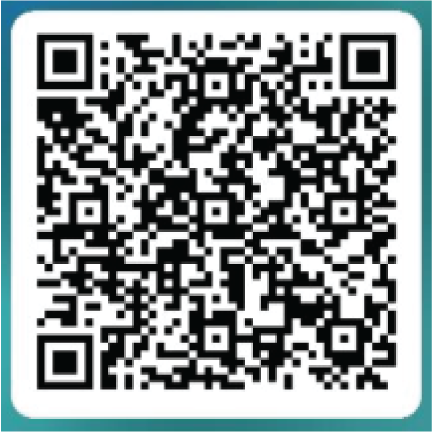
Scan to open the official Safeguarding Incident Reporting Form
Anonymous reporting is available.
You may use the confidential anonymous reporting channel without
identifying yourself. Anonymous reports are treated with the same rigor as identified reports.
If the concern involves the SFP, Senior Management, or the CEO: do not use the standard reporting channel. Report directly to the Chair of the Board of Directors, who will appoint an independent person to receive and coordinate the response.
You can also report through
- Safeguarding Focal Person (SFP): primary point of contact for safeguarding reporting and coordination.
- Department Safeguarding Representative: supports reporting within the relevant department and refers concerns
through approved channels. - Human Resources: receives concerns and supports safeguarding related personnel processes and investigations.
Senior Management: receives escalated concerns and ensures appropriate organizational action.
Language and access: Reporting channels are available in English and Amharic. The policy also requires reasonable steps to make reporting accessible to people with disabilities, low literacy, or limited access to digital tools, including phone based reporting.
03
What happens after you report
Every concern is handled with respect and confidentiality. Immediate safety comes first. The response follows the established safeguarding procedures and is adapted to the nature and seriousness of the concern.
| STAGE | WHAT HAPPENS | TIMELINE |
|---|---|---|
| 1. Report and safety | The concern is received respectfully. Immediate safety needs are prioritized and the matter is passed to authorized safeguarding personnel. | Immediate / same day |
| 2. Documentation | The concern is recorded using the Safeguarding Incident Reporting Form, using necessary facts and maintaining confidentiality. | Within 24 hours |
| 3. Preliminary assessment | The SFP, with HR and authorized management, assesses immediate risks, referrals, and whether formal investigation is required. | Within 2 working days |
| 4. Formal investigation | Where required, an appropriate investigator conducts a fair, independent, confidential, impartial, and timely investigation. | 15 to 30 working days |
| 5. Management decision | Senior Management considers the investigation report and determines appropriate organizational action. | Within 5 working days after report |
| 6. Follow up and support | Affected persons are informed of available support and referral options as appropriate. Corrective actions and lessons learned are followed through. | Ongoing |
Governance and accountability
| GOVERNANCE ROLE | CORE RESPONSIBILITY |
|---|---|
| Safeguarding Focal Person (SFP | Primary safeguarding contact; receives and coordinates reports; maintains confidential records; coordinates referrals, investigations, training, monitoring, and safeguarding reporting. |
| Department Safeguarding Representatives | Promote safeguarding awareness; identify departmental risks; support reporting; maintain confidentiality; coordinate with the SFP. |
| Human Resources | Integrates safeguarding into recruitment and people processes; maintains relevant records; supports disciplinary and staff misconduct processes |
| Senior Management | Provides leadership and accountability; authorizes appropriate investigations and organizational action; ensures corrective and disciplinary measures where required. |
Confidentiality: Safeguarding information is shared only on a need to know basis with authorized persons and stored securely. Case records are retained for at least seven years from case closure, or longer where required.
Protection from retaliation: Retaliation against people who report in good faith, participate in investigations, or support affected persons is prohibited and may constitute serious misconduct.
Policy reference: Orbit Ecosystem Safeguarding and Ethical Standards Policy, Version 2.0 | July 2026 | Addis Ababa, Ethiopia.
This website statement is a concise public summary. For complete governance, investigation, referral, documentation, and implementation requirements, consult the full policy and Safeguarding Handbook.